

Spinal Stenosis Surgery in Dallas
Back pain, leg pain, numbness, or difficulty walking can develop when the spinal canal becomes narrow and places pressure on the spinal cord or nearby nerves. As symptoms progress, everyday activities such as standing, walking, or climbing stairs may become increasingly difficult. When medications, physical therapy, injections, and other conservative treatments no longer provide lasting relief, Spinal stenosis surgery in Dallas may be recommended to restore space around the affected nerves and improve mobility.
At AdvancedCare Surgery Centers, Dr. Rao K. Ali, a double-board certified interventional pain management specialist, provides surgical care based on each patient's symptoms, diagnostic imaging, and overall spinal health. Every treatment plan is carefully developed to determine if surgery is the most appropriate option for relieving nerve compression, reducing pain, and helping patients safely return to their daily activities.
SCHEDULE APPOINTMENT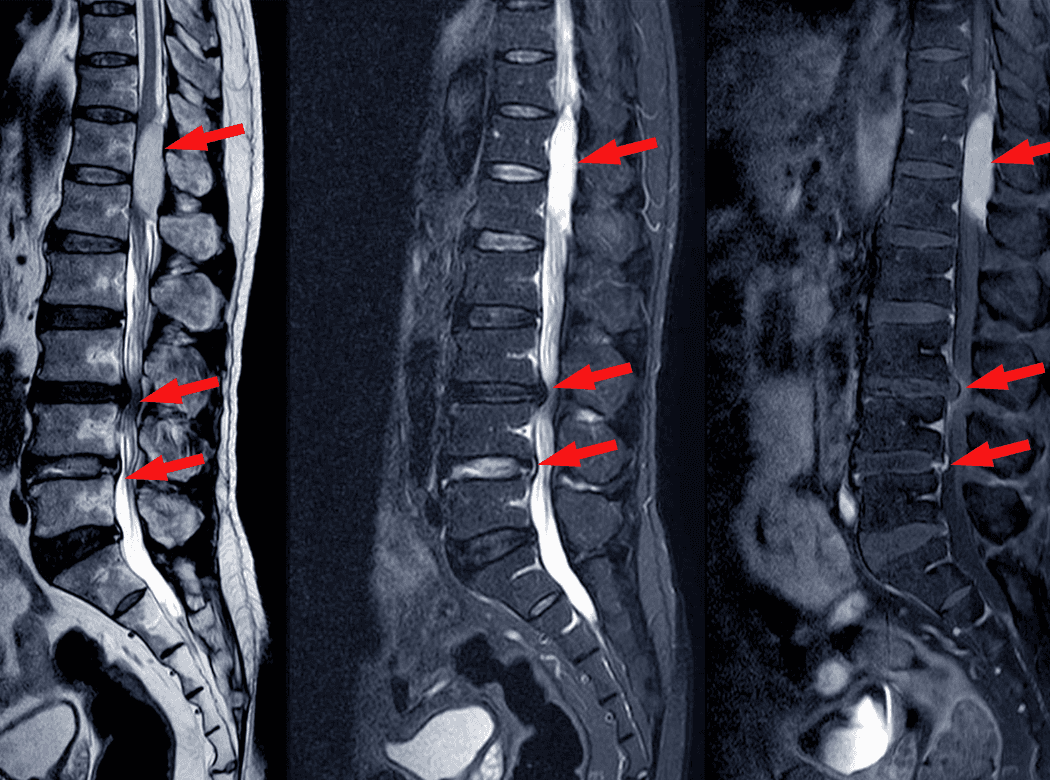
What is Spinal Stenosis Surgery?
Spinal stenosis surgery is performed to relieve pressure on the spinal cord or nearby nerves when narrowing of the spinal canal causes chronic pain, numbness, weakness, or difficulty walking. The procedure creates more space around compressed nerves by removing or reshaping bone, thickened ligaments, or other tissue contributing to the narrowing.
The surgical approach is selected based on the location of the stenosis, the severity of nerve compression, and the patient's overall spinal health. Treatment may include Spinal Decompression Surgery, laminectomy, foraminotomy, discectomy, or spinal fusion when additional stability is required. The goal is to relieve pressure on the nerves, improve mobility, and help patients return to daily activities with greater comfort.
Types of Spinal Stenosis
Spinal stenosis is classified according to the area of the spine where the narrowing occurs. The location of the stenosis determines the symptoms, affected nerves, and the most appropriate treatment approach.
Lumbar Spinal Stenosis
Lumbar spinal stenosis surgery may be recommended when narrowing in the lower back places pressure on the spinal nerves, leading to lower back pain, leg pain, numbness, weakness, or difficulty walking. Surgery helps create more space around the affected nerves and improve mobility when conservative treatments are no longer effective.
Cervical Spinal Stenosis
Cervical spinal stenosis surgery is performed when narrowing in the neck compresses the spinal cord or nerve roots. Common symptoms include neck pain, arm pain, numbness, tingling, weakness, balance problems, or reduced hand coordination. Surgical treatment relieves nerve compression and helps protect spinal function.
Thoracic Spinal Stenosis
Thoracic spinal stenosis develops when the spinal canal narrows in the middle back. Although less common than cervical or lumbar stenosis, it can cause mid-back pain, numbness, weakness, difficulty walking, and changes in balance. Surgery may be recommended when symptoms continue to progress or neurological function becomes affected.
Conditions Treated With Spinal Stenosis Surgery
Lumbar Spinal Stenosis
Narrowing in the lower back can compress the spinal nerves, causing lower back pain, leg pain, numbness, weakness, and difficulty walking.
Cervical Spinal Stenosis
Compression in the neck may lead to neck pain, arm pain, tingling, muscle weakness, balance problems, and reduced hand coordination.
Thoracic Spinal Stenosis
Narrowing in the middle back can place pressure on the spinal cord, resulting in mid-back pain, numbness, weakness, walking difficulties, and changes in balance.
Herniated Discs
A herniated disc can contribute to spinal canal narrowing and compress nearby nerves, leading to pain, numbness, or weakness in the arms or legs.
Degenerative Disc Disease
Age-related disc degeneration may reduce spinal stability and contribute to spinal stenosis, causing chronic pain and limited mobility.
Bone Spurs
Excess bone growth caused by arthritis can narrow the spinal canal and place pressure on the spinal cord or nerve roots.
Thickened Ligaments
Over time, spinal ligaments may become thicker and reduce the available space within the spinal canal, contributing to nerve compression.
Spondylolisthesis
A vertebra that slips out of position can narrow the spinal canal and increase pressure on surrounding nerves, resulting in pain and neurological symptoms.
Benefits of Spinal Stenosis Surgery
Spinal stenosis surgery in Dallas is designed to relieve pressure on the spinal cord or nearby nerves caused by narrowing of the spinal canal. By restoring space around the affected nerves, the procedure can reduce pain, improve movement, and help patients return to everyday activities with greater comfort and confidence.
Who May Be a Candidate for Spinal Stenosis Surgery?
Spinal stenosis surgery may be recommended when narrowing of the spinal canal causes ongoing pain, numbness, weakness, or difficulty walking that does not improve with conservative treatment. A spinal stenosis specialist in Dallas can review symptoms, imaging results, and overall spinal health to determine if surgery may provide meaningful relief.
How Is Spinal Stenosis Surgery Performed?
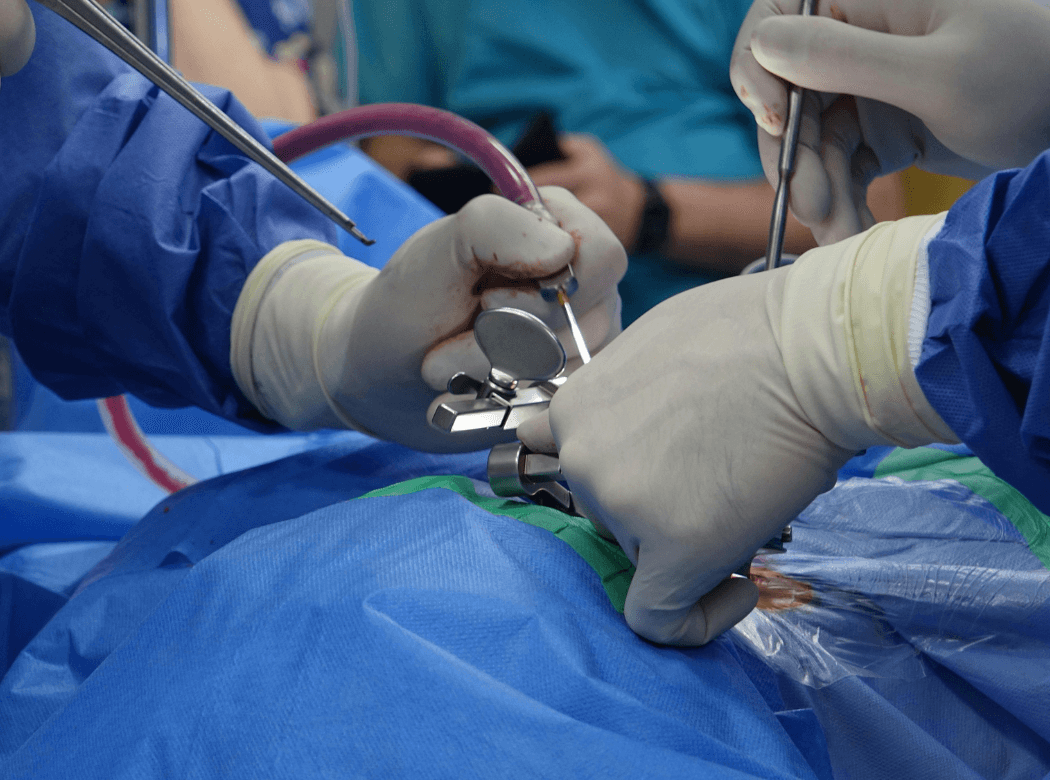
Spinal stenosis surgery relieves pressure on the spinal cord or nearby nerves by creating more space within the spinal canal. The surgical approach depends on the location of the stenosis, the severity of nerve compression, and the patient's overall spinal health.
Step 1: Anesthesia and Patient Positioning
The patient receives general anesthesia and is carefully positioned to provide the surgeon with safe access to the affected area of the spine.
Step 2: Making the Surgical Incision
A small or traditional incision is made over the treatment area, depending on whether an open or minimally invasive approach is planned.
Step 3: Exposing the Spine
The best spinal stenosis surgeon gently moves the surrounding muscles and soft tissues to expose the affected vertebrae when protecting nearby nerves.
Step 4: Removing the Source of Compression
Bone spurs, thickened ligaments, or portions of the lamina may be removed to create more space around the compressed nerves.
Step 5: Relieving Pressure on the Nerves
The spinal canal is carefully enlarged to reduce pressure on the spinal cord or nerve roots and improve nerve function.
Step 6: Stabilizing the Spine When Needed
If decompression could affect spinal stability, spinal fusion may be performed to provide additional support. This decision is based on the patient's condition and imaging findings.
Step 7: Confirming the Surgical Results
The spinal stenosis surgeons in Dallas check that the nerves have been fully decompressed and verify proper spinal alignment before completing the procedure.
Step 8: Closing the Incision
The muscles and soft tissues are returned to their normal position, the incision is closed with sutures or staples, and the patient is transferred to the recovery area for monitoring.
Recovery After Spinal Stenosis Surgery
Recovery after spinal stenosis surgery varies based on the surgical approach, the area of the spine treated, and the patient's overall health. Most patients begin walking shortly after surgery under medical supervision, while full recovery takes time as the spine continues to heal. Following postoperative instructions, avoiding heavy lifting, attending follow-up appointments, and participating in physical therapy when recommended can support healing, improve mobility, and help patients safely return to daily activities.