

Minimally Invasive Spine Surgery in Dallas
Living with persistent back or neck pain can affect every part of daily life, from work and family responsibilities to sleep and physical activity. When conservative treatments no longer provide enough relief, surgery may become the next step. Advances in modern spine care have made it possible to treat many spinal conditions through smaller incisions, less tissue disruption, and faster recovery compared to traditional open procedures.
At AdvancedCare Surgery Centers, Dr. Rao K. Ali, a board-certified interventional pain management specialist, provides surgical care focused on restoring stability when protecting surrounding muscles and soft tissues. Each treatment plan is based on a detailed evaluation, diagnostic imaging, and the patient's symptoms to determine if minimally invasive back surgery is an appropriate option.
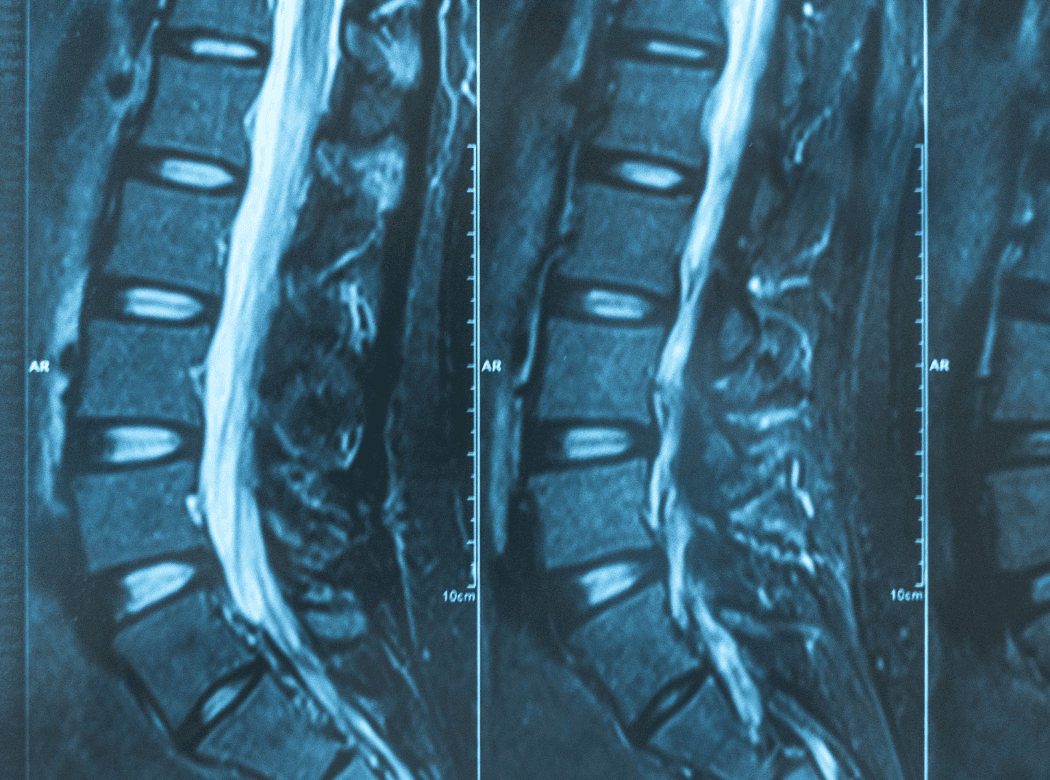
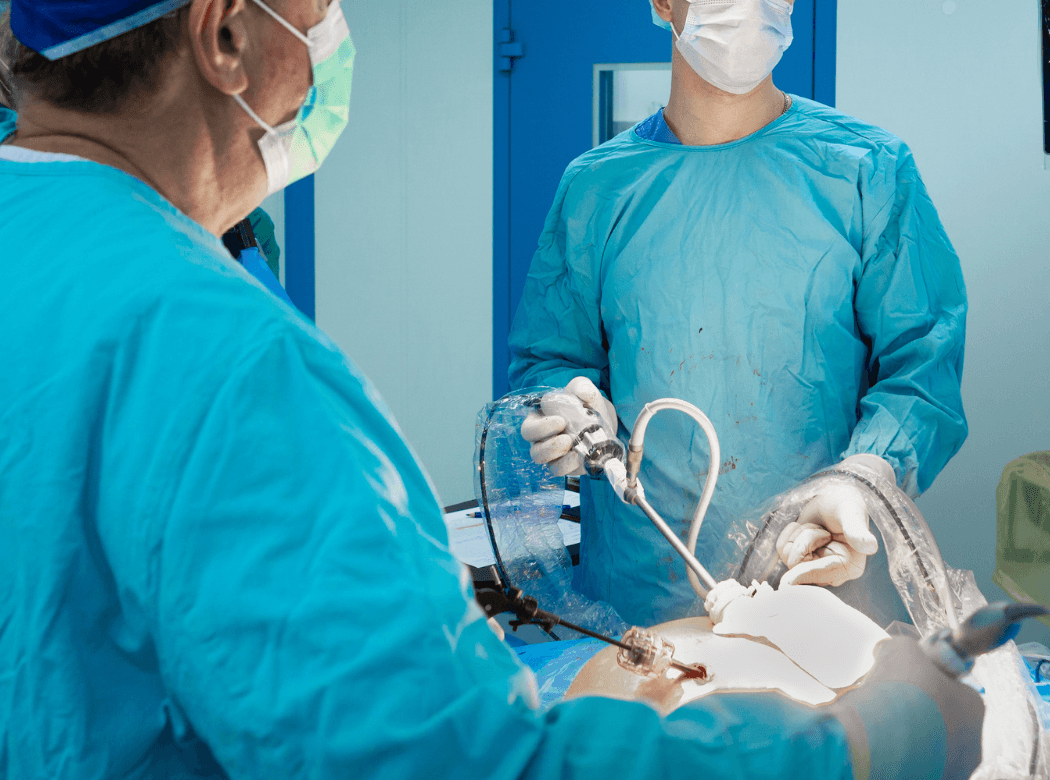
What is Minimally Invasive Spine Surgery?
Minimally invasive spine surgery uses small incisions to reach the affected area of the spine instead of the larger openings used in traditional surgery. Specialized instruments, advanced imaging, microscopes, and tubular retractors help the spine surgeon in Dallas treat the condition when protecting nearby muscles, ligaments, and healthy tissues.
A more precise surgical approach can support reduced blood loss, improved postoperative comfort, shorter hospital stays, and a smoother return to everyday activities. However, this approach is not suitable for every spinal condition. A detailed medical evaluation and imaging review are necessary to determine if it is the safest treatment option.
Conditions Treated With Minimally Invasive Spine Surgery
Herniated Discs
A herniated disc can compress nearby nerves, causing pain, numbness, or weakness. Minimally invasive spine surgery herniated disc treatment helps relieve pressure when preserving healthy tissue.
Bulging Discs
Bulging discs may irritate nearby nerves and restrict daily movement. Minimally invasive spine surgery for bulging discs can reduce compression when protecting surrounding muscles and spinal structures.
Lumbar Spinal Stenosis
Lumbar spinal stenosis narrows the lower spinal canal, often causing back pain, leg pain, and walking difficulties by placing pressure on nearby nerves.
Cervical Spinal Stenosis
Cervical spinal stenosis affects the neck, narrowing the spinal canal and potentially causing neck pain, arm numbness, weakness, or balance-related concerns.
Degenerative Disc Disease
Degenerative disc disease develops as spinal discs lose hydration and flexibility, leading to chronic back pain, stiffness, reduced mobility, and nerve irritation.
Sciatica
Sciatica occurs when the sciatic nerve becomes compressed, producing pain, tingling, numbness, or weakness that commonly travels from the lower back into the leg.
Spondylolisthesis
Spondylolisthesis occurs when one vertebra shifts over another, creating spinal instability, nerve compression, chronic back pain, and reduced physical function over time.
Spinal Instability
Spinal instability develops when the spine cannot maintain proper alignment, resulting in abnormal movement, ongoing pain, reduced mobility, and possible nerve irritation.
Foraminal Stenosis
Foraminal stenosis narrows the openings where spinal nerves exit, leading to radiating pain, numbness, tingling, or muscle weakness in the arms or legs.
Facet Joint Disorders
Facet joint disorders involve inflammation or degeneration of spinal joints, causing localized back or neck pain, stiffness, and pain during movement or standing.
Compression Fractures
Compression fractures occur when spinal vertebrae collapse, often causing sudden back pain, reduced height, limited mobility, and changes in normal spinal alignment.
Selected Spinal Tumors
Selected spinal tumors may compress nerves or the spinal cord, producing pain, weakness, numbness, or neurological symptoms that require specialized surgical evaluation.
Benefits of Minimally Invasive Spine Surgery
Spine surgery focuses on treating the affected area with greater precision while protecting nearby muscles and healthy tissue. At our minimally invasive spine surgery center in Dallas, advanced techniques can support a smoother recovery, improved comfort, and an earlier return to daily activities.
Who May Be a Candidate?
A minimally invasive spine surgeon may recommend surgery after physical therapy, medications, injections, activity modification, and other conservative treatments have been carefully explored without providing sufficient relief. Spine surgeons in Dallas may recommend surgery for patients who experience:
How the Procedure Is Performed
The procedure follows a carefully planned process based on the patient's diagnosis, spinal condition, and imaging results.
Preoperative Evaluation
The spine surgeon near me reviews symptoms, medical history, MRI or CT scans, and previous treatments before creating a personalized surgical plan.
Anesthesia and Positioning
The patient receives anesthesia and is positioned carefully to provide safe access to the affected area of the spine.
Small Incision
A small incision is made near the treatment area instead of the larger opening commonly used in traditional spine surgery.
Guided Surgical Access
Specialized instruments and tubular retractors create a narrow pathway to the spine when protecting nearby muscles and soft tissues.
Precise Treatment
The surgeon removes damaged disc material, relieves nerve pressure, or stabilizes the affected spinal segment based on the condition being treated.
Imaging Confirmation
Real-time imaging helps confirm the correct surgical location and supports accurate placement of instruments or implants when required.
Incision Closure
After treatment is completed, the instruments are removed and the small incision is closed with sutures or surgical adhesive.
Recovery Monitoring
The patient is moved to a recovery area, where the medical team monitors movement, pain levels, and overall condition before discharge.
Recovery After Surgery
Recovery after minimally invasive spine surgery depends on the type of procedure, the patient's overall health, and the complexity of the spinal condition. Most patients begin walking shortly after surgery under medical supervision. Before discharge, the care team provides clear guidance on activity progression, incision care, pain management, physical therapy, safe lifting, return-to-work planning, and follow-up appointments to support a safe and steady recovery.