

Spinal Decompression Surgery in Dallas
Living with chronic neck or back pain caused by compressed spinal nerves can make everyday activities difficult and reduce your quality of life. Spinal decompression surgery in Dallas is performed to relieve pressure on the spinal cord or affected nerves, helping reduce pain, restore mobility, and improve overall function. At AdvancedCare Surgery Centers, patients receive medical evaluations and personalized treatment plans based on their unique spinal condition.
When non-surgical treatments no longer provide lasting relief, surgery may be recommended to treat the underlying cause of nerve compression. Dr. Rao K. Ali, a spine surgeon in Dallas, carefully evaluates each patient's symptoms, imaging studies, and medical history to determine if surgery is appropriate. Our goal is to relieve nerve pressure when helping patients return to their normal activities with greater comfort and confidence.
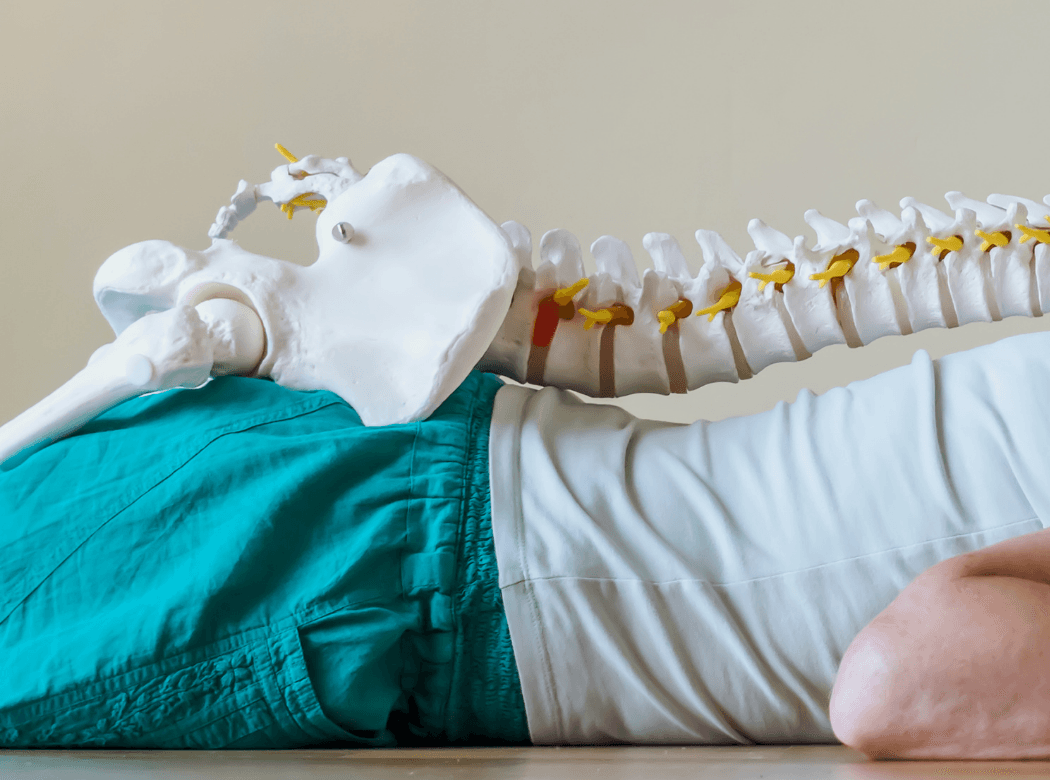
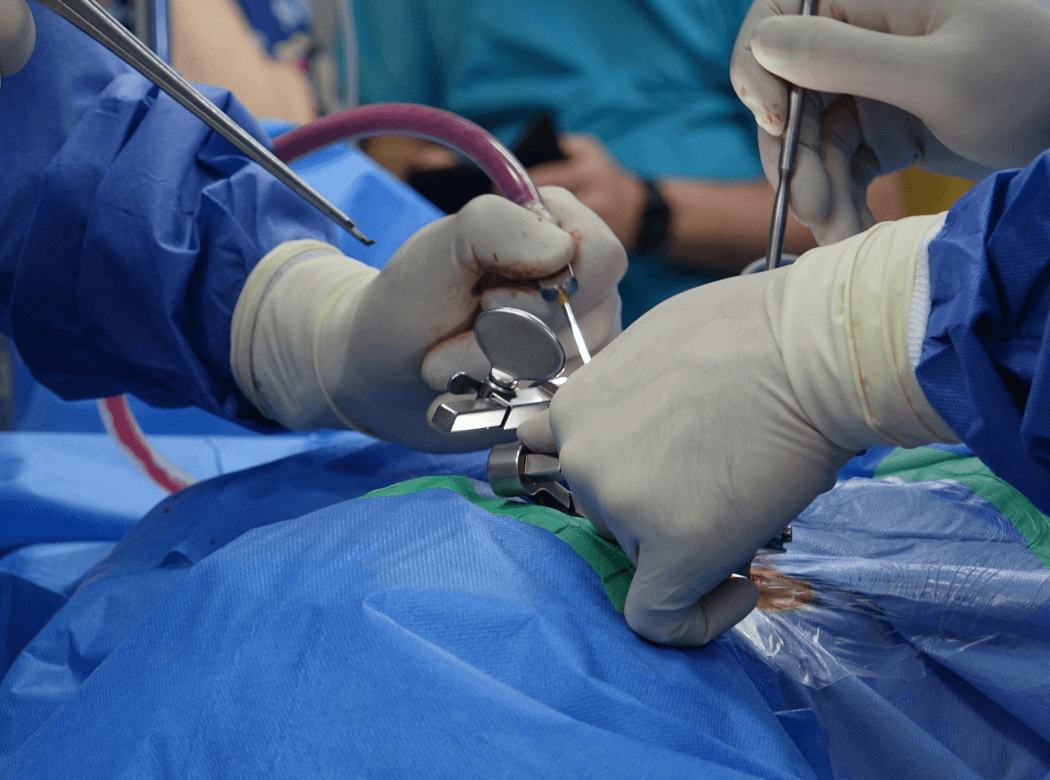
What is Spinal Decompression Surgery?
Spinal decompression surgery is a procedure designed to relieve pressure on the spinal cord or nerve roots caused by conditions that narrow the spinal canal or the openings where nerves exit the spine. Compression can lead to chronic pain, numbness, tingling, muscle weakness, and reduced mobility that affects daily life.
Depending on the underlying condition, the procedure may involve removing a small portion of bone, thickened ligaments, or herniated disc material to create additional space for the affected nerves. In many cases, minimally invasive spine surgery techniques can be used to reduce tissue disruption and support a faster recovery.
Conditions Treated with Spinal Decompression Surgery
Herniated Disc
A damaged disc can press against nearby nerves, causing pain, numbness, or weakness. Herniated disc surgery may help relieve pressure when conservative treatments are no longer effective.
Spinal Stenosis
Narrowing of the spinal canal can compress the spinal cord or nerve roots. Spinal stenosis surgery may help create additional space and reduce nerve-related symptoms.
Degenerative Disc Disease
Age-related changes in the spine may contribute to nerve compression and chronic pain. Surgical decompression can help relieve pressure on affected nerves.
Sciatica
Compression of the sciatic nerve can cause pain that travels from the lower back into the leg. Sciatica surgery may be considered when symptoms persist despite conservative care.
Pinched Nerves
Compressed spinal nerves can lead to pain, tingling, numbness, or muscle weakness. Pinched nerve surgery helps relieve pressure and improve nerve function.
Bone Spurs
Bone spurs caused by spinal arthritis may narrow the spinal canal or nerve openings. Removing excess bone can reduce nerve irritation.
Cervical Nerve Compression
Nerve compression in the neck may cause pain, numbness, or weakness in the shoulders and arms. Cervical spinal decompression may be recommended for eligible patients.
Lumbar Nerve Compression
Compression in the lower back may result in leg pain, numbness, or difficulty walking. Lumbar spinal decompression helps relieve pressure on affected nerves.
Benefits of Spinal Decompression Surgery
Spinal decompression surgery is designed to relieve pressure on compressed nerves while preserving as much healthy spinal tissue as possible. For eligible patients, the procedure may improve comfort, mobility, and overall quality of life.
Who May Be a Candidate?
Spinal decompression surgery may be recommended for people with persistent nerve compression that continues to cause pain or neurological symptoms despite conservative treatment. A thorough evaluation, including physical examination and diagnostic imaging, helps determine if surgery is appropriate. Patients who may be candidates include those who experience:
How the Spinal Decompression Surgery Is Performed
Spinal decompression surgery is carefully planned using advanced imaging to identify the source of nerve compression and relieve pressure when protecting surrounding tissues.
Step 1: Patient Preparation
The patient is positioned comfortably, and anesthesia is administered before the procedure begins.
Step 2: Imaging Guidance
Advanced imaging is used to confirm the surgical level and guide the procedure accurately.
Step 3: Small Incision
A small incision is made over the affected area of the spine.
Step 4: Accessing the Spine
The surgeon carefully reaches the compressed nerve when preserving surrounding muscles and tissues.
Step 5: Removing the Source of Compression
Bone, ligament, or disc material causing pressure on the nerve is carefully removed.
Step 6: Nerve Decompression
The affected nerve is fully decompressed to restore adequate space and reduce irritation.
Step 7: Final Evaluation
The surgical area is inspected to confirm the nerve has been adequately decompressed.
Step 8: Incision Closure & Recovery
The incision is closed, and the patient is monitored before receiving recovery instructions.
Recovery After Spinal Decompression Surgery
Recovery varies depending on the procedure performed, the severity of the spinal condition, and overall health. Many patients begin walking shortly after surgery under their physician's guidance. Following instructions regarding activity progression, medications, incision care, and follow-up appointments helps support healing, improve mobility, and promote long-term spinal function.
Schedule Your Consultation
Persistent nerve compression can affect every aspect of your daily life, from walking and working to sleeping comfortably. Early evaluation can help determine the most appropriate treatment for your condition.
At AdvancedCare Surgery Centers, Dr. Rao K. Ali provides personalized spine evaluations and advanced surgical care for patients experiencing chronic nerve compression. Call today to schedule your consultation and learn if spinal decompression surgery is the best treatment option for you.