

Lumbar Laminectomy in Dallas, TX
Lower back pain, leg numbness, or difficulty walking may develop when the spinal canal becomes too narrow and places pressure on nearby nerves. Daily activities such as standing, climbing stairs, or walking short distances can become increasingly difficult as symptoms progress. When medications, physical therapy, and injections no longer provide lasting relief, lumbar laminectomy may become an appropriate surgical option.
At AdvancedCare Surgery Centers, Dr. Rao K. Ali, a board-certified interventional pain management specialist, provides surgical care based on each patient's symptoms, diagnostic imaging, and overall spinal health. Every treatment plan is carefully developed to determine if lumbar laminectomy in Dallas is the most suitable procedure for relieving nerve compression and restoring mobility.
SCHEDULE APPOINTMENT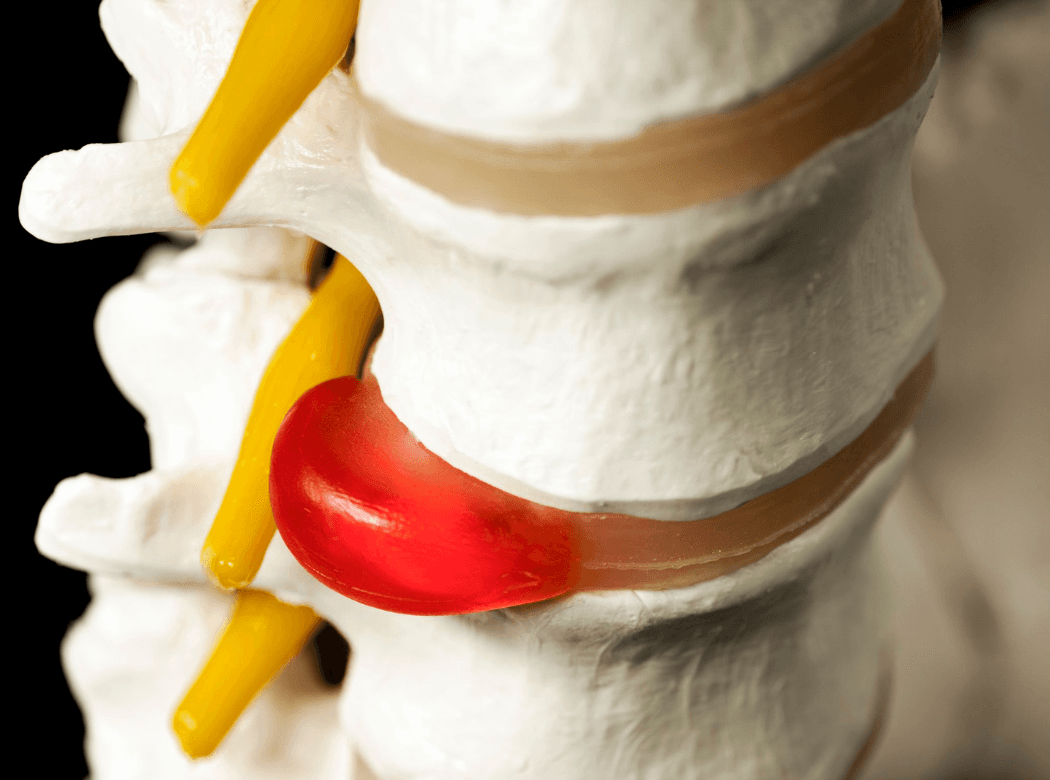
What is Lumbar Laminectomy?
Lumbar laminectomy is a surgical procedure performed to relieve pressure on the spinal nerves in the lower back. During the procedure, the surgeon removes part of the lamina, the bony structure that covers the spinal canal, creating additional space for compressed nerves.
This procedure is most commonly recommended for patients with lumbar spinal stenosis and other conditions that narrow the spinal canal. By relieving nerve compression, lumbar laminectomy can help reduce pain, improve walking ability, restore leg strength, and support a better quality of life. An evaluation and imaging review help determine if surgery is the safest and most effective treatment option.
Conditions Treated With Lumbar Laminectomy
Lumbar Spinal Stenosis
Lumbar spinal stenosis narrows the spinal canal in the lower back, causing pressure on nearby nerves that may result in pain, numbness, weakness, and difficulty walking.
Herniated Lumbar Disc
A herniated lumbar disc may compress spinal nerves and produce lower back pain, sciatica, tingling, or muscle weakness in one or both legs.
Degenerative Disc Disease
Age-related degeneration of spinal discs may contribute to nerve compression, chronic lower back pain, stiffness, and reduced spinal flexibility.
Sciatica
Sciatica develops when the sciatic nerve becomes compressed, producing pain that travels from the lower back through the buttock and down the leg.
Bone Spurs
Bone spurs may develop because of spinal arthritis and narrow the spinal canal, placing pressure on nearby nerves and limiting movement.
Thickened Ligaments
Over time, spinal ligaments may become enlarged and contribute to spinal canal narrowing, increasing pressure on surrounding nerves.
Facet Joint Arthritis
Degeneration of the facet joints can narrow the spinal canal and contribute to chronic back pain, stiffness, and nerve irritation.
Foraminal Stenosis
Foraminal stenosis reduces the space where spinal nerves exit the spine, causing radiating leg pain, numbness, or muscle weakness.
Recurrent Nerve Compression
Patients with persistent or recurring nerve compression after conservative treatment may benefit from lumbar decompression surgery in Dallas when appropriate.
Degenerative Spondylolisthesis
Degenerative spondylolisthesis may cause one vertebra to shift over another, leading to spinal instability and nerve compression that may require surgical decompression.
Benefits of Lumbar Laminectomy
Lumbar laminectomy helps relieve pressure on compressed spinal nerves by creating more space within the spinal canal. Laminectomy surgery in Dallas can reduce lower back and leg pain, improve movement, ease numbness or weakness, and make walking and everyday activities more comfortable. By treating the source of nerve compression, the procedure may also support better mobility and an improved quality of life.
Is Lumbar Laminectomy Best for You?
Lumbar laminectomy may be recommended at a spine surgery center in Dallas when compressed spinal nerves cause back pain, leg pain, numbness, weakness, or difficulty walking. It may be an option when conservative treatments no longer provide enough relief and symptoms continue to affect daily activities.
How Is a Lumbar Laminectomy Performed?
A lumbar laminectomy in Dallas is performed to create more space in the spinal canal and relieve pressure on compressed nerves. The exact surgical approach may vary based on the affected spinal level, the severity of compression, and if additional procedures are required.
Step 1: Administering Anesthesia
The patient receives general anesthesia so they remain asleep and comfortable throughout the procedure.
Step 2: Positioning the Patient
The patient is carefully positioned face down to give the surgeon safe access to the lumbar spine.
Step 3: Making the Incision
A controlled incision is made over the affected area of the lower back. The incision is typically smaller during a minimally invasive laminectomy, when an open procedure may require a larger incision.
Step 4: Accessing the Lumbar Spine
The muscles and soft tissues are gently moved aside or separated with specialized instruments to expose the affected vertebra.
Step 5: Removing the Lamina
A spine surgeon removes part or all of the lamina, the back portion of the vertebra that covers the spinal canal. This creates more space around the compressed nerves.
Step 6: Relieving Nerve Pressure
Bone spurs, thickened ligaments, or other tissues contributing to nerve compression may also be carefully removed. A foraminotomy or discectomy may be performed when needed.
Step 7: Stabilizing the Spine When Required
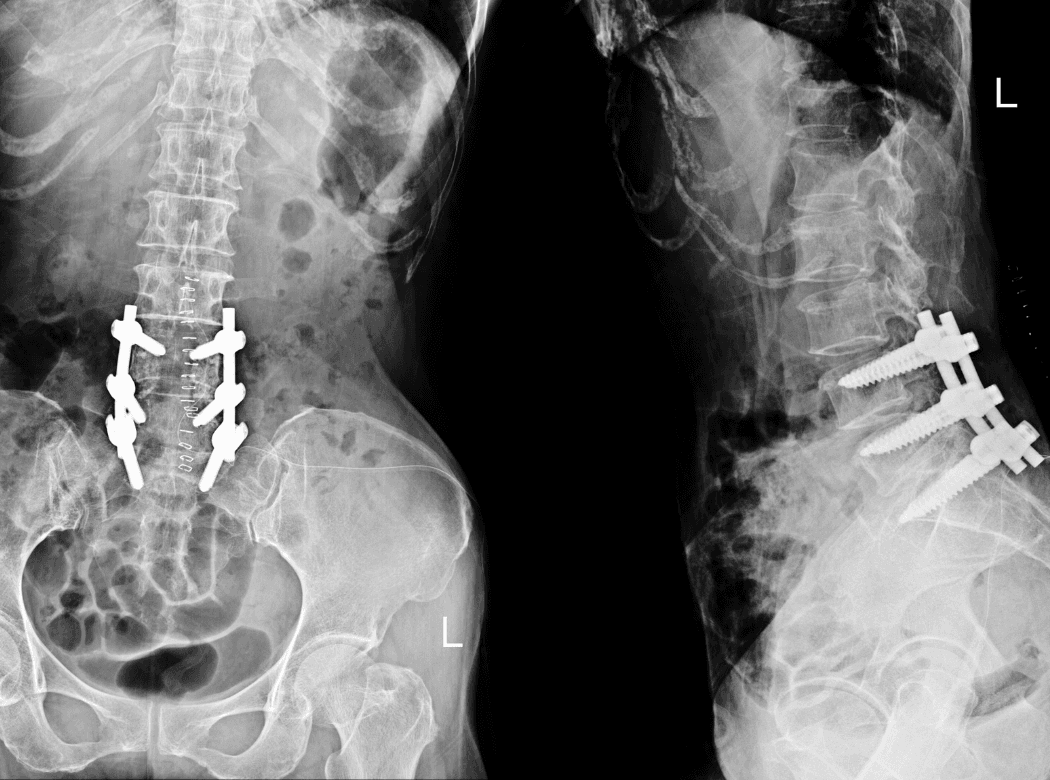
Spinal fusion may be added during spinal decompression surgery if removing pressure could lead to instability or if the spine is already unstable. However, not every lumbar laminectomy requires fusion.
Step 8: Closing the Incision
The best spine surgeon in Dallas returns the muscles and tissues to their normal position and closes the incision with sutures or staples. The patient is then moved to recovery for monitoring.
Recovery After Lumbar Laminectomy Surgery
Recovery after a lumbar laminectomy depends on the surgical approach, number of spinal levels treated, overall health, and if fusion was performed. Most patients begin walking shortly after surgery, although mild pain and stiffness may continue during early healing. Instructions usually cover incision care, pain control, safe movement, and activity progression. Heavy lifting, bending, twisting, and strenuous exercise should be avoided until approved by the spine surgeon in Dallas.