

Discectomy and Microdiscectomy in Dallas, TX
A herniated disc pressing against a spinal nerve can cause severe back pain, leg pain, sciatica, numbness, tingling, or muscle weakness. When these symptoms continue despite non-surgical treatment, removing the portion of damaged disc responsible for nerve compression may provide another treatment option.
At AdvancedCare Surgery Center, our best surgeons in Dallas provide discectomy in Dallas and minimally invasive surgical options for qualifying spinal conditions. Treatment is planned according to the affected spinal level, severity of nerve compression, neurological symptoms, imaging findings, and response to previous care.
What is a Discectomy?
A discectomy is a spinal procedure that removes the portion of a damaged or herniated disc pressing against a nearby spinal nerve. Relieving this pressure may help reduce radiating nerve pain, numbness, tingling, weakness, and other symptoms related to nerve compression.
The procedure is commonly performed for lumbar disc herniation affecting nerves in the lower spine. The exact surgical technique depends on the location and extent of the disc problem.
SCHEDULE APPOINTMENT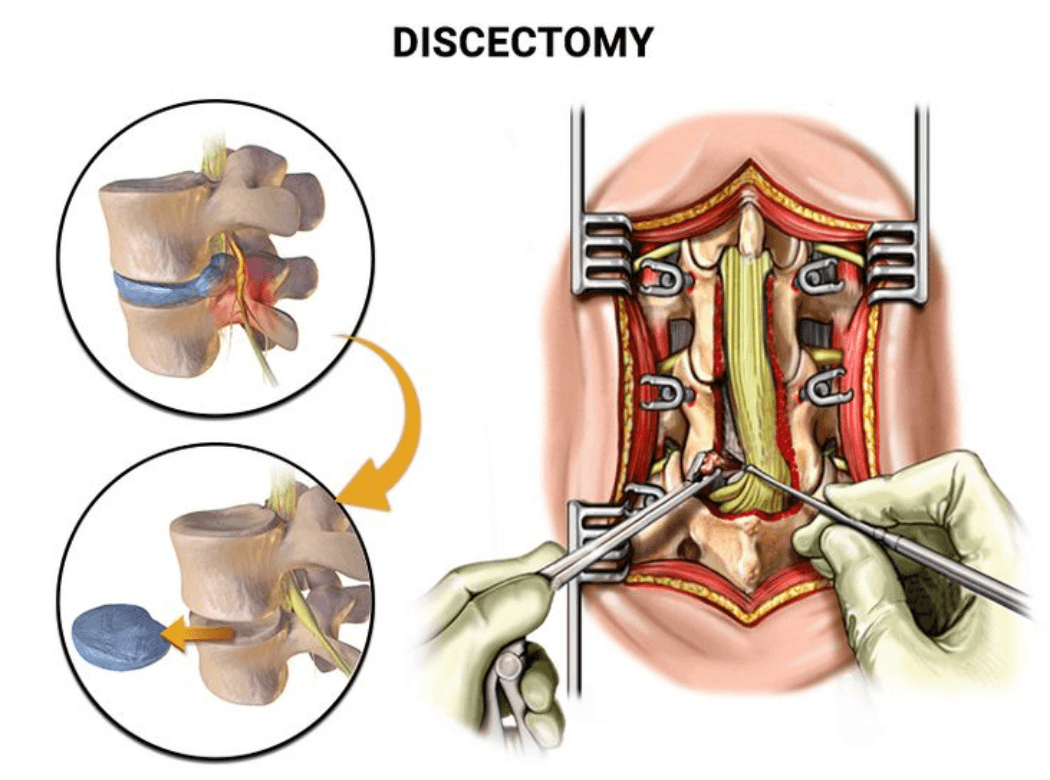
What is Microdiscectomy?
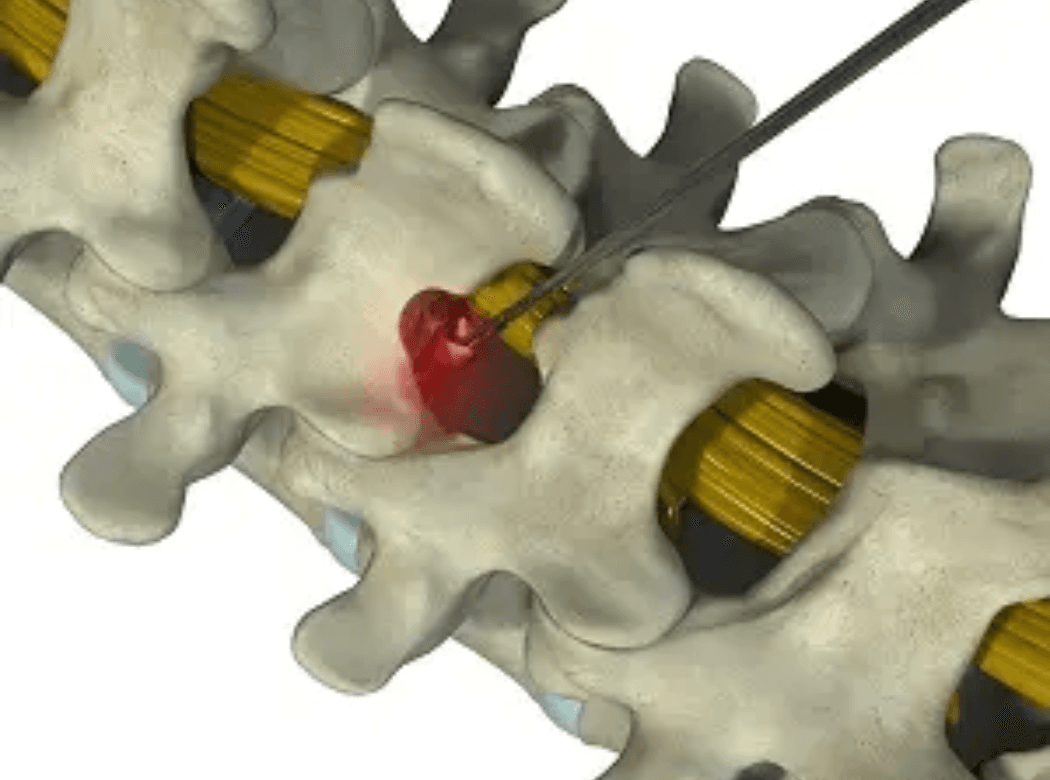
A microdiscectomy uses a smaller surgical opening and specialized magnification to remove herniated disc material compressing a spinal nerve. Only the problematic portion of the disc is typically removed when surrounding structures are preserved whenever possible.
Microdiscectomy in Dallas is commonly used to treat lumbar disc herniation associated with sciatica, leg pain, numbness, tingling, or weakness when symptoms have not improved enough with conservative treatment.
Conditions Treated With Discectomy and Microdiscectomy
Lumbar Herniated Disc
A lumbar disc can herniate when its softer inner material pushes through a weakened outer layer. The displaced material may compress a nearby nerve and cause lower back pain or symptoms extending into the leg.
Sciatica
Sciatica commonly causes pain that travels from the lower back into the buttock and leg. When a herniated lumbar disc is responsible for significant nerve compression, microdiscectomy may be used to relieve pressure on the affected nerve.
Lumbar Radiculopathy
Nerve compression in the lower spine can cause radiating pain, numbness, tingling, or weakness along the affected nerve pathway. Removing the disc material responsible for compression may provide additional space around the nerve.
Recurrent Disc Herniation
A disc that has previously been treated can sometimes herniate again. Surgical treatment depends on the location of the recurrent herniation, spinal stability, previous procedure, and current neurological symptoms.
Nerve Root Compression
Herniated disc material may press directly against a spinal nerve root, causing pain and neurological symptoms. Discectomy focuses on removing the material responsible for this compression.
Degenerative Disc Changes
Age-related disc degeneration can weaken spinal discs and increase their vulnerability to herniation. Surgery may become an option when a resulting disc herniation causes significant nerve compression and symptoms continue despite conservative care.
Discectomy vs. Microdiscectomy
Both procedures focus on relieving pressure from spinal nerves caused by damaged disc material. The main difference is the surgical technique used to reach and remove the affected portion of the disc.
A traditional discectomy may involve a larger surgical opening, when Minimally Invasive Microdiscectomy in Dallas uses specialized instruments and magnification through a smaller opening. The appropriate approach depends on spinal anatomy, disc location, symptoms, and imaging findings.
When Is Discectomy or Microdiscectomy Needed?
Many herniated discs can be managed without surgery. Surgical treatment may become appropriate when significant nerve symptoms continue despite medications, physical therapy, injections, activity modification, or other conservative approaches. A Lumbar Discectomy in Dallas may be evaluated for people experiencing:
Benefits of Microdiscectomy Surgery
Microdiscectomy Surgery focuses on relieving nerve compression when limiting disruption to surrounding spinal tissues. The expected benefits vary according to the location of the herniation, severity of nerve involvement, and overall health. Potential benefits may include:
How Discectomy and Microdiscectomy Are Performed
A spine surgeon near me can review imaging and neurological symptoms to determine if traditional discectomy, microdiscectomy, or another surgical technique is appropriate.
Step 1: Preoperative Evaluation
MRI scans, medical history, symptoms, and neurological findings are reviewed to identify the affected disc and location of nerve compression.
Step 2: Anesthesia
Anesthesia is administered according to the surgical plan before the procedure begins.
Step 3: Surgical Opening
A surgical opening is created over the affected spinal level. Microdiscectomy generally uses a smaller opening than traditional surgical approaches.
Step 4: Reaching the Affected Disc
Muscles and surrounding tissues are carefully moved to create a pathway toward the herniated disc and compressed nerve.
Step 5: Identifying Nerve Compression
Specialized visualization helps the spine surgeon in Dallas locate the affected nerve root and disc material responsible for the compression.
Step 6: Removing Disc Material
The herniated portion of disc pressing against the spinal nerve is carefully removed while healthy disc tissue is preserved when possible.
Step 7: Confirming Nerve Decompression
The surgical area is examined after disc removal to confirm that adequate space has been created around the affected nerve.
Step 8: Closing the Incision
The surgical opening is closed after decompression is completed, and recovery begins according to the procedure performed.
Recovery After Discectomy and Microdiscectomy
Recovery varies according to the procedure performed, affected spinal level, severity of nerve compression, overall health, and healing response. Many minimally invasive procedures are designed to limit tissue disruption, but activity progression should still follow the surgeon's postoperative instructions.
Walking, lifting restrictions, return to work, physical therapy, incision care, medications, and follow-up appointments are determined according to recovery progress and the extent of surgery.
Schedule a Discectomy or Microdiscectomy Evaluation
Symptoms from a compressed spinal nerve can become increasingly limiting when they do not respond to conservative treatment. A complete spine evaluation can help determine if disc herniation is responsible and if surgical Spinal decompression may be appropriate.
Contact AdvancedCare Surgery Center to schedule an evaluation for Microdiscectomy in Dallas, TX and learn which treatment approach may be appropriate for your spinal condition.