

Spinal Fusion Surgery in Dallas, TX
Back pain, leg pain, numbness, or spinal instability can make everyday activities such as walking, standing, bending, or lifting increasingly difficult. When non-surgical treatments no longer provide meaningful relief, Spinal fusion surgery in Dallas may be recommended to stabilize the spine, reduce painful movement between vertebrae, and relieve pressure on affected spinal nerves.
At AdvancedCare Surgery Centers, Dr. Rao K. Ali, a double-board certified interventional pain management specialist, provides surgical care based on each patient's symptoms, diagnostic imaging, and overall spinal health. Every treatment plan is carefully developed to determine if spinal fusion is the most appropriate solution for restoring spinal stability, improving mobility, and helping patients return to a more active, comfortable lifestyle.
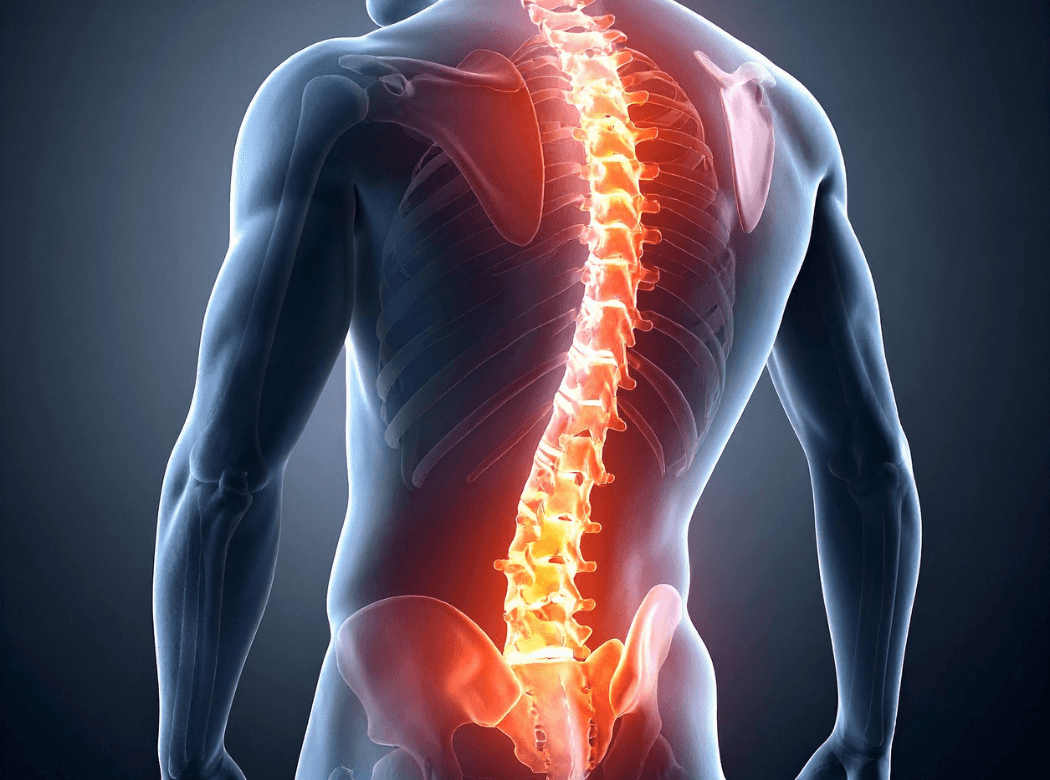
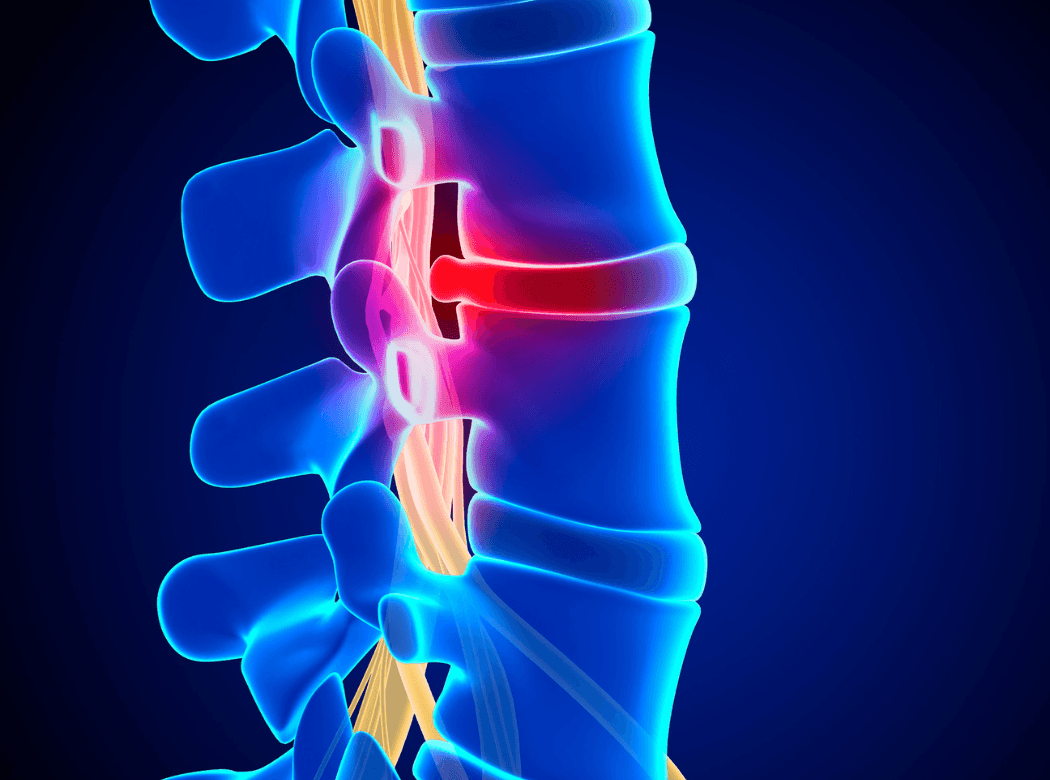
What is Spinal Fusion Surgery?
Spinal fusion surgery is a procedure that permanently joins two or more vertebrae to improve spinal stability and reduce painful movement. Bone graft material, screws, rods, plates, or other fixation devices may be used to help the vertebrae heal together into a single, stable segment.
The procedure may be recommended for conditions such as degenerative disc disease, spondylolisthesis, spinal instability, severe spinal stenosis, spinal deformities, or certain injuries. Depending on the diagnosis and spinal level involved, spinal fusion may be performed using traditional open surgery or a minimally invasive approach.
Spine Conditions that May Require Spinal Fusion
Degenerative Disc Disease
When damaged spinal discs cause persistent pain and instability, spinal fusion for degenerative disc disease may help stabilize the affected segment and reduce painful motion between the vertebrae.
Spondylolisthesis
Spinal fusion for spondylolisthesis can help stabilize a vertebra that has slipped out of position. Fusion may also be combined with decompression when nearby nerves are under pressure.
Lumbar Spinal Instability
A lumbar spinal fusion may be used when excessive movement in the lower spine causes pain, weakness, or reduced function. The goal is to create greater stability and support safer movement.
Spinal Stenosis
Severe spinal stenosis may require decompression along with fusion when removing pressure from the nerves could leave the spine unstable. This approach can help relieve symptoms when maintaining spinal support.
Herniated or Collapsed Discs
Some patients with severe disc damage, recurrent herniation, or loss of disc height may benefit from fusion when other treatments have not provided enough relief.
Spinal Deformities
Conditions such as scoliosis or abnormal spinal alignment may require fusion to improve stability, correct deformity, and prevent further progression in selected cases.
Recurrent or Complex Spine Problems
A spinal fusion surgeon in Dallas may recommend fusion for recurrent symptoms, previous failed spine surgery, fractures, or other complex spinal conditions that require additional stabilization.
Cases Suitable for Smaller-Incision Techniques
Minimally invasive spinal fusion can stabilize the spine through smaller incisions when reducing disruption to surrounding muscles and soft tissues, helping support a smoother recovery when this approach is appropriate.
Benefits of Spinal Fusion Surgery
Spinal fusion is designed to stabilize painful or unstable segments of the spine by joining affected vertebrae together. Spinal fusion surgery in Dallas may help reduce motion-related pain, improve spinal stability, and make walking, bending, and everyday activities more comfortable. Spinal fusion surgeons in Dallas can determine if fusion is appropriate based on symptoms, imaging, and spinal stability.
Who May Be a Candidate for Spinal Fusion Surgery?
Spinal fusion may be recommended when back pain, spinal instability, or nerve-related symptoms continue despite conservative treatment. A spinal fusion specialist in Dallas can review imaging, symptoms, and overall spinal health to determine if back fusion surgery or another approach, including minimally invasive spine surgery, may be appropriate.
How Is Spinal Fusion Surgery Performed?
Spinal fusion surgery stabilizes two or more vertebrae and reduces painful spinal movement. The technique depends on the condition, spinal level, and if an open or minimally invasive approach is used.
Step 1: Anesthesia and Patient Positioning
At a Spinal fusion surgery center in Dallas, the patient receives general anesthesia and is carefully positioned to give the surgeon safe access to the affected area of the spine.
Step 2: Making the Surgical Incision
The spine surgeon in Dallas makes an incision over the treatment area. A smaller incision may be used when a minimally invasive technique is appropriate.
Step 3: Reaching the Affected Vertebrae
Muscles and soft tissues are carefully moved aside to access the damaged or unstable spinal segment when protecting nearby nerves and structures.
Step 4: Removing Damaged Disc or Bone
If necessary, damaged disc material, bone spurs, or other tissue causing pressure may be removed to create space and prepare the area for fusion.
Step 5: Placing the Bone Graft
Bone graft material is placed between the affected vertebrae. This graft helps encourage new bone growth so the vertebrae can gradually fuse together.
Step 6: Adding Screws, Rods, or Other Support
Metal screws, rods, plates, or cages may be used to hold the spine in the correct position and provide stability while the fusion heals.
Step 7: Checking Spinal Alignment
The surgeon confirms that the vertebrae and supporting hardware are properly positioned. Imaging may be used during surgery to verify alignment and placement.
Step 8: Closing the Incision
The muscles and tissues are returned to position, and the incision is closed with sutures or staples. The patient is then moved to recovery for monitoring.
Recovery After Spinal Fusion Surgery
Recovery after spinal fusion surgery varies depending on the number of spinal levels treated, the surgical approach, and overall health. Most patients begin walking shortly after surgery under medical guidance, when complete bone fusion develops over several months. Following postoperative instructions, avoiding heavy lifting, attending follow-up appointments, and participating in physical therapy when recommended can support healing, improve spinal stability, and help patients return safely to daily activities.