

Vertebroplasty in Dallas, TX
Living with a painful spinal compression fracture can make standing, walking, and everyday activities increasingly difficult. Vertebroplasty in Dallas is a minimally invasive procedure designed to stabilize fractured vertebrae, relieve pain, and improve mobility. At AdvancedCare Surgery Centers, patients receive comprehensive evaluations and advanced spine care focused on restoring function and helping them return to a more active lifestyle.
Chronic back pain caused by vertebral compression fractures can significantly affect comfort, movement, and daily routines. Dr. Rao K. Ali carefully evaluates each patient's condition to determine if vertebroplasty is the most appropriate treatment option. Personalized care and advanced imaging guidance help support long-term pain relief, improved spinal stability, and better mobility for patients with vertebral compression fractures.
SCHEDULE APPOINTMENT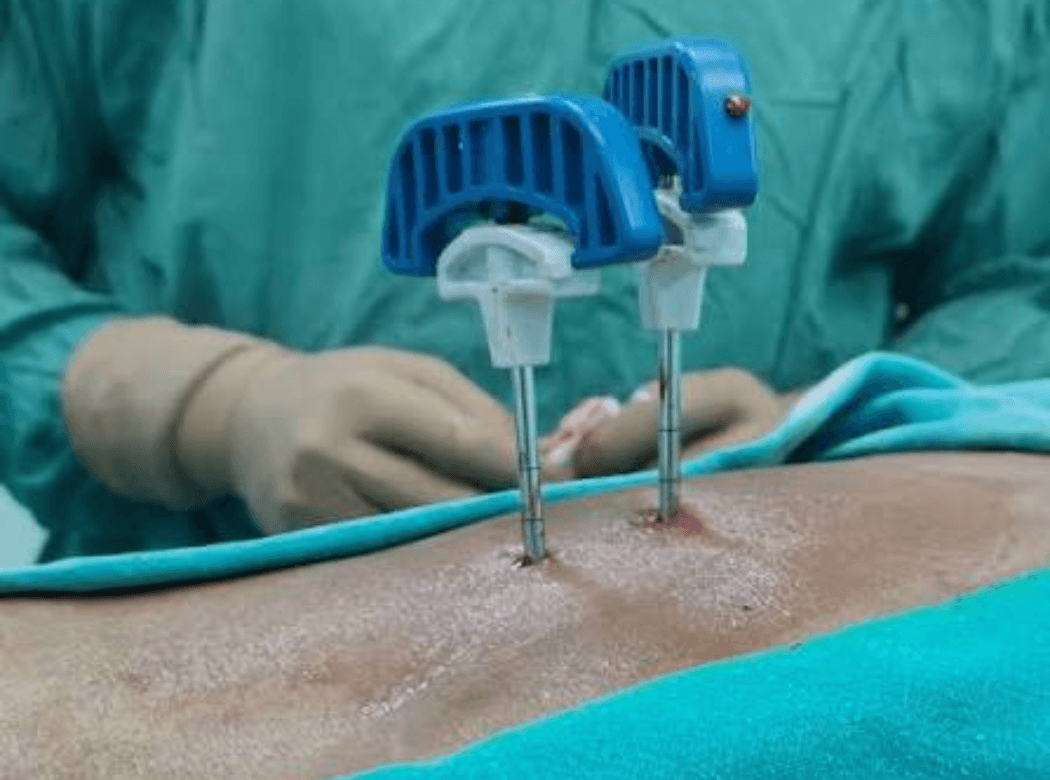
What is Vertebroplasty?
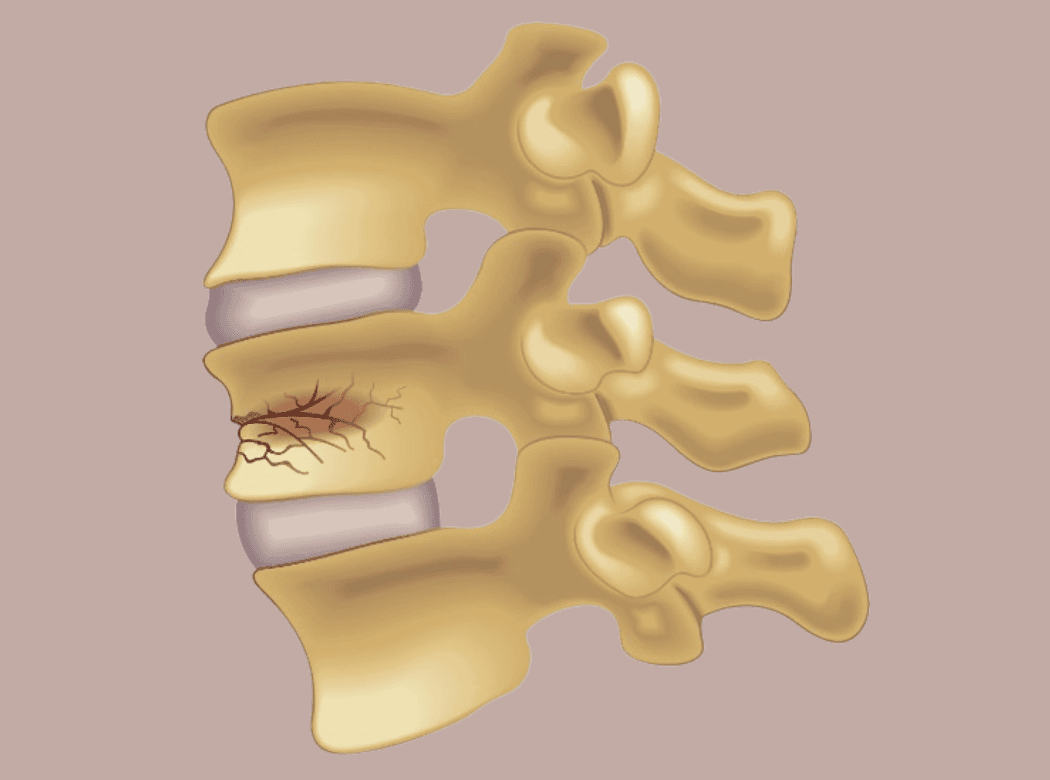
Vertebroplasty is a minimally invasive procedure used to treat painful vertebral compression fractures caused by osteoporosis, spinal injuries, or weakened vertebrae. The treatment involves injecting medical-grade bone cement into the fractured vertebra to stabilize the bone, reduce pain, and improve spinal support.
The procedure is performed using advanced imaging guidance to support accurate placement of the bone cement within the affected vertebra. By strengthening the fractured bone, vertebroplasty helps improve spinal stability, supports better mobility, and allows many patients to return to their daily activities with greater comfort.
Conditions Treated with Vertebroplasty
Osteoporosis
Weak vertebrae caused by osteoporosis can fracture during normal daily activities. Vertebroplasty helps stabilize the affected bone and reduce pain.
Traumatic Fractures
Falls or accidents can cause painful vertebral fractures that affect movement and quality of life.
Compression Fractures
Painful vertebral compression fractures that do not improve with conservative treatment may benefit from vertebroplasty.
Multiple Fractures
Multiple compression fractures can lead to persistent pain and posture changes. Stabilizing the affected vertebrae helps improve function.
Spinal Tumors
Certain spinal tumors weaken the vertebrae and increase the risk of fractures. Vertebroplasty may provide additional spinal support.
Vertebral Collapse
Compression fractures may progressively weaken the vertebra, resulting in spinal instability and ongoing pain.
Osteoporosis Pain
Patients with persistent pain caused by osteoporosis-related fractures may benefit from vertebroplasty following a thorough evaluation.
Limited Mobility
Painful spinal fractures often make standing, walking, and daily activities difficult. Vertebroplasty helps improve stability and movement.
Benefits of Vertebroplasty
Vertebroplasty is designed to stabilize fractured vertebrae, relieve pain, and improve daily function through a minimally invasive approach. Many patients experience improved mobility and greater comfort after treatment.
Who May Be a Candidate?
Vertebroplasty may be recommended for people with painful vertebral compression fractures that affect mobility or daily activities. At AdvancedCare Surgery Centers, Dr. Rao K. Ali evaluates each patient to determine if the procedure is appropriate. Patients who may be candidates include those who experience:
How the Vertebroplasty Procedure Is Performed
Vertebroplasty is performed using advanced imaging guidance to accurately treat the fractured vertebra when minimizing disruption to surrounding tissues.
Step 1: Patient Preparation
The patient is positioned comfortably, and local anesthesia or sedation is administered before the procedure begins.
Step 2: Imaging Guidance
Real-time X-ray imaging is used to locate the fractured vertebra and guide the treatment accurately.
Step 3: Small Incision
A small incision is made over the treatment area to provide access to the affected vertebra.
Step 4: Needle Placement
A specialized needle is carefully advanced into the fractured vertebra using imaging guidance.
Step 5: Cement Preparation
Medical-grade bone cement is prepared to fill and stabilize the damaged area within the vertebra.
Step 6: Cement Injection
The bone cement is slowly injected into the fractured vertebra to strengthen and stabilize the bone.
Step 7: Cement Hardening
The cement hardens within a short time, helping reinforce the treated vertebra and reduce movement at the fracture site.
Step 8: Recovery Monitoring
The patient is monitored after the procedure and receives instructions for activity, medications, and follow-up care before discharge.
Recovery After Vertebroplasty
Recovery after vertebroplasty is generally quick, and many patients return home the same day. Pain often begins to improve within the first few days as the treated vertebra becomes more stable. Recovery varies depending on the severity of the fracture, overall health, and activity level. Following your physician's recommendations regarding movement, medications, and follow-up care supports proper healing and long-term spinal stability.
Schedule Your Consultation
Living with a vertebral compression fracture can make even simple daily activities difficult. At AdvancedCare Surgery Centers, our best surgeons in Dallas provide comprehensive evaluations and personalized treatment plans to determine if vertebroplasty in Dallas is the best option for your condition. Our goal is to reduce pain, improve spinal stability, and help you return to your daily routine with greater confidence.
Call AdvancedCare Surgery Centers today to schedule your consultation with Dr. Rao K. Ali and learn if vertebroplasty is the best treatment for you.