

Revision Spine Surgery in Dallas, TX
Previous spine surgery does not always provide lasting relief. Neck or back pain may return, nerve symptoms can develop again, or changes involving spinal hardware, fusion, or nearby vertebral levels may require further evaluation. Revision spine surgery in Dallas provides another surgical option when a previous procedure needs to be corrected, modified, or extended.
At AdvancedCare Surgery Centers, our surgical team carefully reviews previous procedures, current symptoms, diagnostic imaging, and overall spinal stability before recommending additional surgery. The goal is to identify the reason symptoms have returned and determine if revision surgery may help relieve nerve pressure, restore stability, or correct structural problems affecting the spine.
What is Revision Spine Surgery?
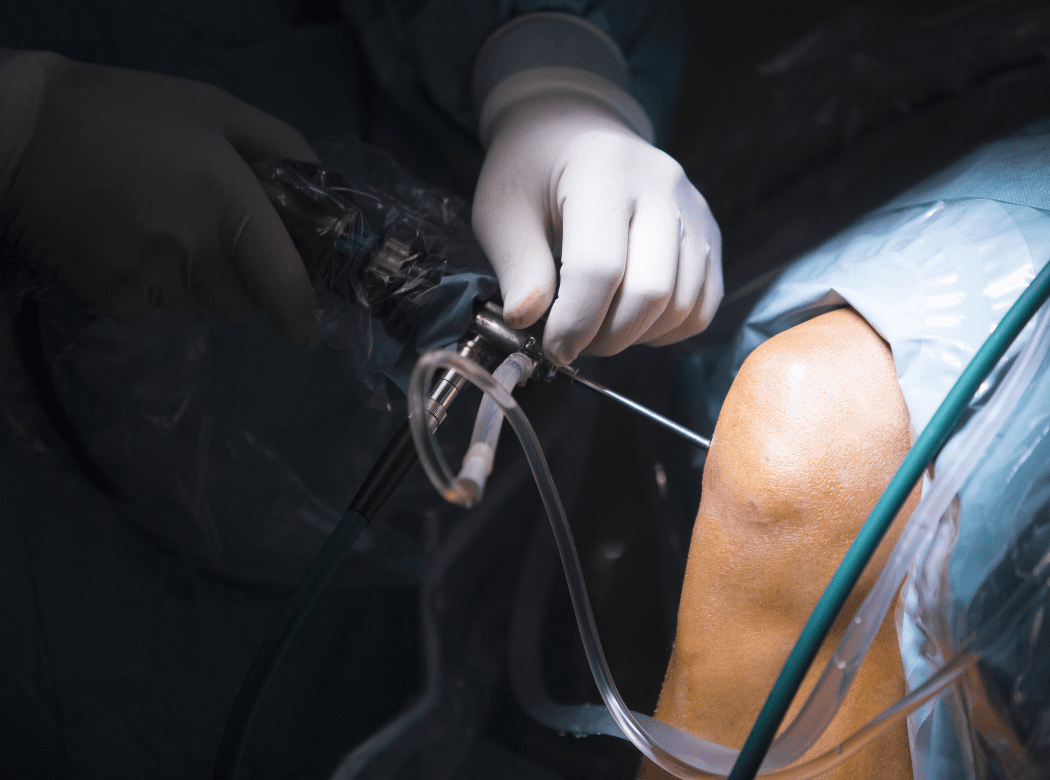
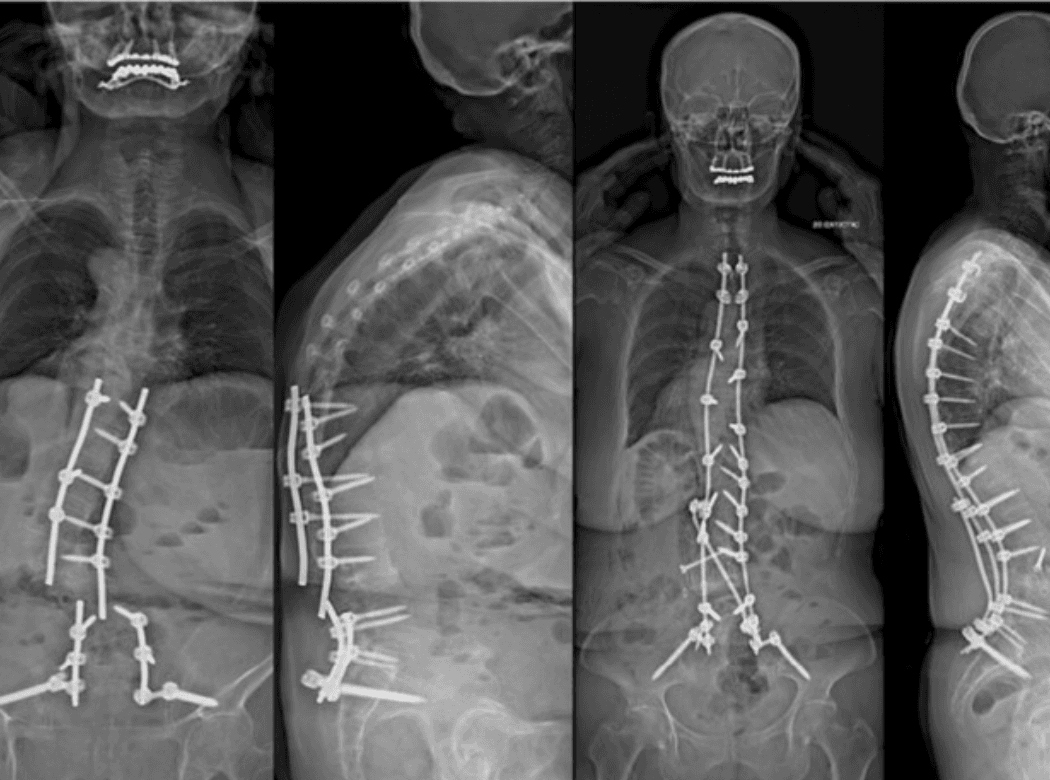
Revision spine surgery is a second or additional spinal procedure performed after a previous neck or back operation. It may involve correcting a problem from the earlier procedure, treating a condition that has returned, removing or replacing spinal hardware, improving a previous fusion, or treating degeneration that develops near the original surgical level.
Every revision procedure is different because the surgical approach depends on the original operation and the problem currently affecting the spine. In some cases, failed back surgery syndrome may be associated with continued or recurring symptoms after a previous procedure. Detailed imaging and evaluation are important when planning the safest and most appropriate surgical approach.
Conditions that May Require Revision Spine Surgery
Failed Back Surgery Syndrome
Pain, weakness, numbness, or other symptoms may continue or return after a previous spine procedure. Revision surgery may help when evaluation identifies a structural problem that can be surgically corrected.
Recurrent Disc Herniation
A previously treated spinal disc can herniate again and place pressure on nearby nerves, leading to back or neck pain, numbness, tingling, or radiating pain.
Failed Spinal Fusion (Pseudarthrosis)
Sometimes the vertebrae do not fully fuse after spinal fusion surgery. Revision treatment may improve stability and treat symptoms associated with incomplete bone healing.
Spinal Hardware Failure
Screws, rods, cages, or other implants may loosen, shift, break, or cause problems after previous surgery. Revision surgery can involve repositioning, replacing, or removing affected hardware.
Recurrent Spinal Stenosis
Narrowing around the spinal nerves can develop again after previous decompression surgery. Revision surgery may be used to relieve renewed nerve compression when appropriate.
Adjacent Segment Degeneration
Spinal levels next to a previous fusion can develop degenerative changes over time, potentially causing pain, nerve compression, or reduced mobility that may require further treatment.
Spinal Instability
Abnormal movement between vertebrae may develop or remain after an earlier procedure. Revision surgery may provide additional stabilization when instability contributes to pain or neurological symptoms.
Progressive Spinal Deformity
Changes in spinal alignment, including worsening curvature or imbalance, can sometimes develop after previous surgery. Revision treatment may help restore alignment and improve spinal stability when clinically appropriate.
Benefits of Revision Spine Surgery
Revision surgery focuses on correcting a clearly identified problem following a previous spinal procedure. The expected benefits depend on the underlying condition, previous surgery, spinal health, and extent of the revision required. Potential goals may include:
Who May Need Revision Spine Surgery?
Vertebroplasty may be recommended for people with painful vertebral compression fractures that affect mobility or daily activities. At AdvancedCare Surgery Centers, Dr. Rao K. Ali evaluates each patient to determine if the procedure is appropriate. Patients who may be candidates include those who experience:
How Revision Spine Surgery Is Performed
Step 1: Preoperative Evaluation
The surgical team reviews symptoms, medical history, previous operative records, and diagnostic imaging to determine why another procedure may be necessary.
Step 2: Surgical Planning
The surgical approach is selected according to the previous procedure, affected spinal level, current anatomy, and problem requiring correction.
Step 3: Accessing the Spine
An incision is created to reach the affected spinal area. The previous surgical approach may be used in some cases, while another approach may be selected when appropriate.
Step 4: Evaluating the Previous Surgical Area
The surgeon examines the treated spinal level, surrounding structures, previous fusion, and existing instrumentation.
Step 5: Correcting the Identified Problem
Nerve compression, recurrent disc material, damaged hardware, instability, nonunion, or another identified structural issue is treated according to the surgical plan.
Step 6: Revising Spinal Hardware
Existing screws, rods, cages, or other implants may be repositioned, replaced, extended, or removed when necessary.
Step 7: Restoring Stability
Spinal fusion or additional stabilization may be performed when abnormal movement or instability is contributing to symptoms.
Step 8: Closing the Surgical Area
After the necessary corrections are completed, the surgical area is closed and recovery begins according to the extent of the procedure.
Recovery After Revision Spine Surgery
Recovery following revision spine surgery varies based on the original procedure, type of revision, number of spinal levels treated, overall health, and complexity of the surgical correction. Some people begin walking soon after surgery with assistance, when more extensive procedures may require a longer recovery period.
Activity progression, incision care, medications, physical therapy, lifting restrictions, follow-up visits, and return-to-work recommendations are provided according to the procedure performed and healing progress.
Schedule a Revision Spine Surgery Evaluation
Back pain, neck pain, weakness, numbness, or new symptoms following previous spine surgery should not be ignored. A detailed evaluation can determine if recurrent nerve compression, spinal instability, hardware problems, nonunion, or another condition may be responsible.
Contact AdvancedCare Surgery Centers to schedule an evaluation and learn if Revision Spine Surgery in Dallas may be appropriate for your condition.