

Artificial Disc Replacement in Dallas
Living with chronic neck or back pain caused by a damaged spinal disc can affect work, movement, sleep, and everyday activities. Artificial disc replacement in Dallas is a motion-preserving procedure designed to replace the damaged disc, reduce pressure on nearby nerves, and maintain natural spinal movement for carefully selected patients.
When non-surgical treatments no longer provide enough relief, a surgical evaluation may help determine the next step. At AdvancedCare Surgery Centers, Dr. Rao K. Ali, an artificial disc replacement surgeon in Dallas, reviews symptoms, imaging studies, and overall spinal health to create a personalized treatment plan focused on pain relief, mobility, and long-term spinal function.
SCHEDULE APPOINTMENT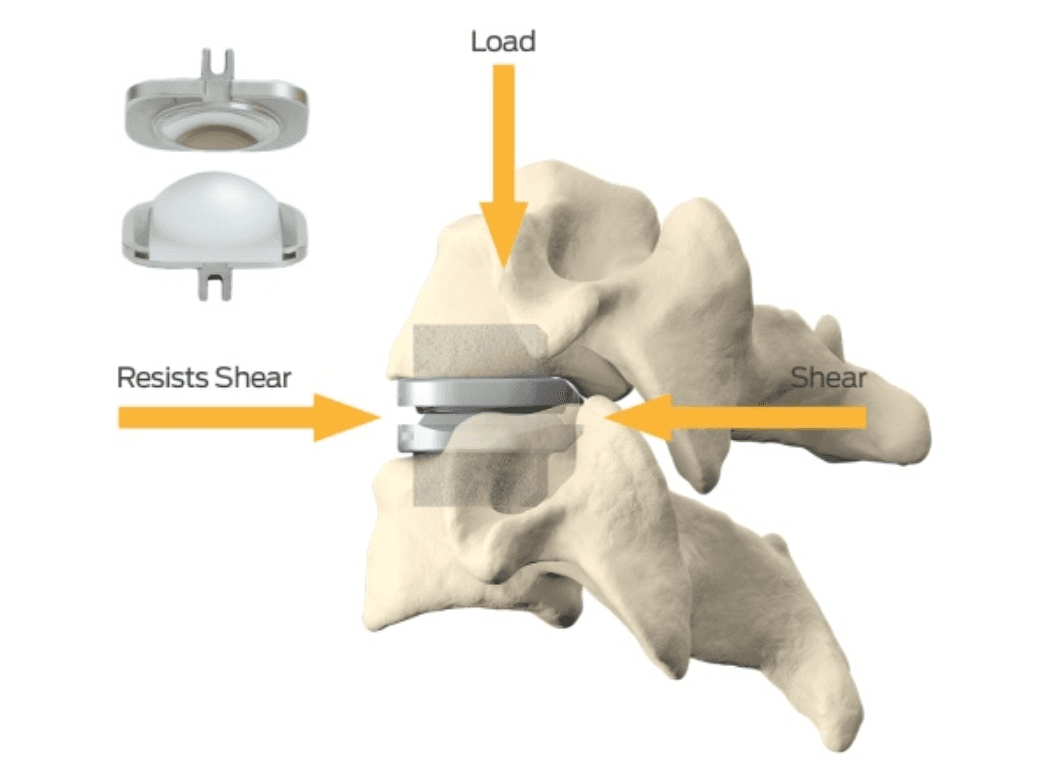
What Is Artificial Disc Replacement?
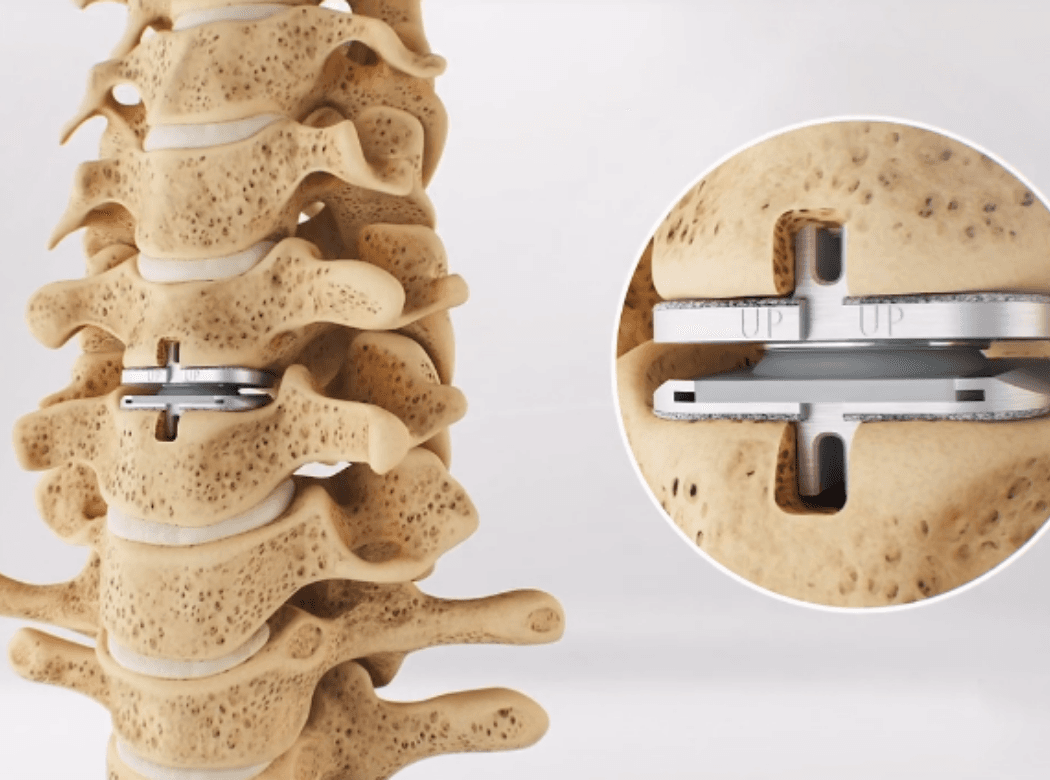
Artificial disc replacement is an advanced spine procedure that removes a damaged spinal disc and replaces it with an artificial implant designed to mimic the function of a healthy disc. The artificial disc is designed to maintain movement between the vertebrae when relieving pain caused by disc degeneration or nerve compression.
The procedure may be performed in the cervical or lumbar spine depending on the location of the damaged disc. Motion preservation spine surgery is often recommended for carefully selected patients who continue experiencing symptoms despite conservative treatment, helping reduce pain when maintaining flexibility and spinal movement.
Conditions Treated with Artificial Disc Replacement
Degenerative Disc Disease
Age-related disc degeneration may lead to chronic neck or back pain that interferes with daily activities. Degenerative disc disease surgery may be recommended when conservative treatments are no longer effective.
Herniated Disc
A damaged disc can press against nearby nerves, causing pain, numbness, or weakness. Herniated disc treatment may include artificial disc replacement for appropriately selected patients.
Cervical Disc Disease
Degeneration in the neck may cause chronic neck pain, arm pain, numbness, or tingling. Cervical disc replacement helps preserve motion while relieving nerve compression.
Lumbar Disc Disease
Disc damage in the lower back can result in chronic back pain and leg symptoms. Lumbar disc replacement may help restore function when maintaining spinal movement.
Cervical Radiculopathy
Compressed nerves in the neck may cause pain, weakness, or numbness extending into the shoulders and arms. Artificial disc replacement may relieve pressure on the affected nerve.
Lumbar Radiculopathy
Nerve compression in the lower back may lead to pain, tingling, or weakness radiating into the legs. Surgical treatment may be recommended after conservative care fails.
Disc-Related Neck Pain
Chronic neck pain caused by a damaged cervical disc may affect work, sleep, and daily activities. Artificial disc replacement may provide long-term symptom relief.
Disc-Related Lower Back Pain
Patients with chronic lower back pain caused by a damaged lumbar disc may benefit from artificial disc replacement after careful evaluation.
Benefits of Artificial Disc Replacement
Artificial disc replacement is designed to relieve pain when preserving natural spinal movement. For eligible patients, the procedure may improve mobility and reduce the stress placed on nearby spinal segments compared with fusion.
Who May Be a Candidate?
Artificial disc replacement may be recommended for people with symptomatic disc disease that continues to affect daily activities despite conservative treatment. A complete evaluation, including a physical examination and advanced imaging, helps determine if surgery is appropriate. Patients who may be candidates include those who experience:
How the Artificial Disc Replacement Procedure Is Performed
Artificial disc replacement is performed using advanced surgical techniques to remove the damaged disc while preserving motion in the treated spinal segment.
Step 1: Patient Preparation
The patient is positioned comfortably, and anesthesia is administered before surgery begins.
Step 2: Surgical Planning
Advanced imaging confirms the affected spinal level and guides the procedure.
Step 3: Small Incision
A carefully planned incision provides access to the damaged spinal disc.
Step 4: Disc Removal
The damaged disc is completely removed while protecting nearby nerves and surrounding tissues.
Step 5: Nerve Decompression
Any structures compressing the spinal nerves are carefully removed to relieve pressure.
Step 6: Artificial Disc Placement
A specially designed artificial disc is positioned between the vertebrae to restore disc height and preserve movement.
Step 7: Implant Verification
The position and function of the implant are confirmed using imaging before completing the procedure.
Step 8: Incision Closure & Recovery
The incision is closed, and the patient is monitored before receiving personalized recovery instructions.
Recovery After Artificial Disc Replacement
Recovery after artificial disc replacement is focused on helping patients regain movement safely when the treated area heals. Many patients begin walking soon after surgery and progressively increase daily activities over the following weeks. Recovery time depends on the spinal level treated, overall health, and individual progress. Following recommendations for activity, medications, physical therapy, and follow-up care can support healing, improve mobility, and restore spinal function.
Schedule Your Consultation
Persistent disc-related pain should not prevent you from enjoying your daily activities. Early evaluation can help determine if artificial disc replacement is the most appropriate treatment for your condition.
At AdvancedCare Surgery Centers, Dr. Rao K. Ali provides spine evaluations and personalized treatment plans. Call today to schedule your consultation and learn if artificial disc surgery in Dallas is the best option for relieving pain and preserving spinal motion.